What are polynucleotides?
A polynucleotide is a chain of nucleotides linked together. Nucleotides are the basic building blocks of nucleic acids, which include DNA (deoxyribonucleic acid) and RNA (ribonucleic acid).
DNA is a molecule that carries genetic instructions necessary for the growth, development, functioning, and reproduction of all known living organisms. The fundamental molecule plays a central role in the storage and transmission of genetic information, protein synthesis, cellular replication, and the inheritance of traits across generations. It is a critical component of life as we know it.
What are polynucleotide injections?
In the context of skin treatment, the term “polynucleotide” is often associated with a type of bioactive substance used in certain medical aesthetic and dermatological procedures. Polynucleotides in this context typically refer to nucleic acid derivatives derived from DNA or RNA. They are used for their regenerative and anti-ageing properties.
Where do the polynucleotides come from?
Polynucleotides in injectable skincare are DNA polymers extracted from salmon or trout using an advanced purification and high-temperature sterilization technique. The result is a sterile injectable gel containing polymerised and purified natural polynucleotides.
Why are polynucleotides injections used for skin regeneration and anti-ageing?
Several agents can contribute to the ageing of skin cells, leading to premature ageing and the development of wrinkles, fine lines, skin laxity, pigmentation etc.
UV radiation/sun damage the collagen and elastin fibres in the skin
Environmental pollution can generate free radicals that damage skin cells. The free radicals contribute to oxidative stress, accelerating the ageing process
Cigarette smoking reduces blood flow to the skin, depletes nutrients, and exposes the skin to harmful chemicals which damage the skin cells
A diet lacking in essential nutrients, antioxidants, and hydration can contribute to skin ageing. Nutrient deficiencies may impair the skin’s ability to repair and regenerate.
Repetitive facial movements, such as frowning or squinting, can lead to the development of fine lines and wrinkles over time.
Extreme weather conditions can strip the skin of its natural oils, leading to dryness and accelerated ageing.
Inadequate sleep can contribute to stress, which, in turn, can affect the skin
Chronic stress may lead to inflammation and premature ageing
The use of harsh or abrasive skincare products can damage the skin’s protective barrier, leading to irritation and accelerated ageing
Biological and genetic influences, can play a significant role in skin ageing. While some aspects of aging are genetically predetermined, lifestyle and environmental factors also contribute to how these internal agents affect the skin
Fluctuations in hormone levels, particularly during menopause or as a part of the ageing process, can impact skin health. Hormonal changes can contribute to a loss of skin elasticity, moisture, and thickness.
The metabolic rate affects how efficiently cells function and repair themselves. Slower metabolism may result in reduced cell turnover and repair processes
Collagen and elastin are proteins that provide structure and elasticity to the skin. The natural ageing process involves a decline in the production of these proteins, leading to sagging and wrinkles.
As cells replicate over time, errors can occur in the DNA. The body’s ability to repair DNA damage diminishes with age, contributing to the ageing process.
Chronic inflammation, whether caused by internal or external factors, can accelerate skin ageing
Internal production of reactive oxygen species (ROS) during cellular metabolism can lead to oxidative stress. This can damage cellular structures, including proteins and DNA, accelerating the ageing process
Glycation is a process in which sugar molecules attach to proteins, including collagen, forming advanced glycation end-products (AGEs). This process can contribute to the loss of skin elasticity and the formation of wrinkles
A weakened immune system may affect the skin’s ability to defend against infections and repair damaged cells, contributing to skin ageing
Injecting natural polynucleotides can block and neutralise free radicals in the extracellular environment to provide a healthier environment for biostimulation to occur.
They also have a strong moisturising ability, mainly due to the water retention capabilities of the hydrophilic groups of the phosphorylated sugars of the single nucleotides.
Polynucleotides signal to particular cells in the body to change their behaviour and generate more of the good things we want: fat volume, collagen, elastin, hyaluronic acid, and angiogenesis (formation of new capillaries). These things all result in a tighter, brighter, more lifted appearance and it’s all achieved naturally.
Changes the structure of the fibrils in our tissue results in instant tightening and contouring of the tissue. Injecting polynucleotides results in a histological change of fibroblasts, osteoblasts, adipocytes and other structures in the tissue (bio-structuring in all tissue layers such as bone, muscle and adipose tissue).
Polynucleotides connect with multiple cell receptors, which initiates a cascade of reactions. Most importantly attracting stem cells to the area, which has a strong repairing effect on the tissue.
which polynucleotide products do we use in our clinic?
Sterile injectable gels from DERMAFOCUS / MASTELLI that belong to new concept of regenerative medicine!
Each product within the brands has its own unique formula, allowing practitioners to tackle concerns in every skin type.
PLENHYAGE XL Medium
2% high molecular weight polynucleotides
PLENHYAGE XL Strong
2.5% high molecular weight polynucleotides
Both products are ideal for repairing, revitalising and regenerating facial tissues
PLINEST® Eyes
Improves periocular skin (around the eyes)
PLINEST ®
Prevents and maintains skin quality in younger patients
PLINEST® Hair
Trophic action on hair, eyebrows, and beard
PLINEST® One
Reduces skin laxity and striae distensae (stretchmarks) in young patients
How popular is this treatment?
Now is the time to regenerate your skin from within!
Polynucleotides are the latest revolutionary tools in regenerative medicine.
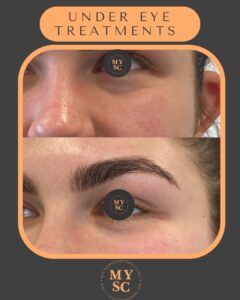
Polynucleotides for the under-eye area are extremely popular in our clinic. We have an extensive cohort of patients who are disconcerted with their under-eye area but would not be ideal candidates for tear trough filler, given the presence of under-eye bags or lack of elasticity of the tissues. Now that we have polynucleotides these patients can have treatments under their eyes which can improve skin elasticity, firmness, dark circles, eyebags and hollowness around the eye area. Also, for those already having tear trough filler in our clinic the need for regular filler treatments is reduced with the addition of polynucleotides in their treatment plan.
What areas can be treated?
- Upper and lower eyelids
- Eyebags
- Tear trough
- Face
- Neck
- Decollete
- Hands
- Arms
- Abdomen
- Knees
- Inner thighs
- Intimate area
- Hair restoration
What happens during my consultation?
During your consultation a detailed medical and psychosocial history will be taken, helping your nurse determine whether the treatment is appropriate for you and whether it will help you achieve the results that you are looking for. This will also reduce the risk of any unwanted side effects. During this consultation the potential risks and aftercare recommendations are discussed, helping you determine whether this form of injectable treatment is really right for you. You may also require this face to face assessment to determine which areas you will require treatment in to achieve desired results and how much/which products can be used.
What happens during my treatment appointment?

Preparation
Makeup will be removed and hair moved away from the face. The face will be cleaned and prepared for treatment using Clinisept.
A local anaesthetic topical cream or injectable may be used prior to the treatment if necessary. The treatment areas may need to be marked out and planned.

Treatment
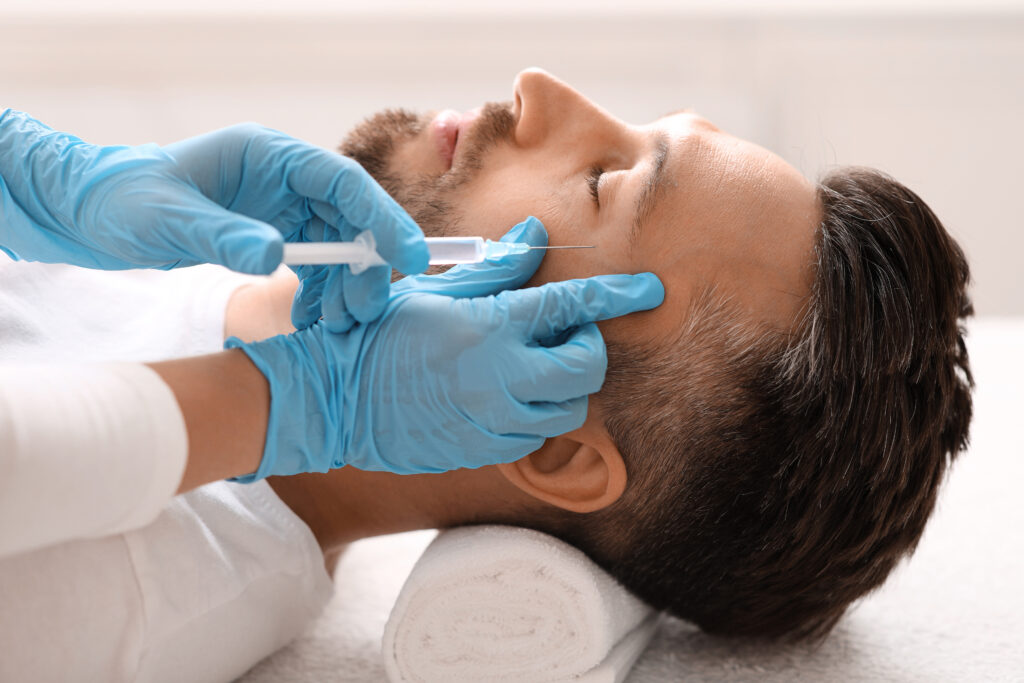
The clear polynucleotide gel in a prefilled syringe is injected into the tissues. We may use a needle or a cannula to inject the products. A cannula looks like a longer needle but is blunt and flexible and glides easily through the tissues causing minimal trauma. A cannula can be safer than a needle in some areas of the face.
What’s the aftercare advice?
You will be given verbal and written advice. You will be able to see some results immediately where the product has been placed; you may also see some swelling and perhaps bruising.
You will be advised not to touch the treated areas and avoid makeup and alcohol on the treatment day. Also, you should avoid excessive heat such as sauna, steam room, sunbed, sunbathing and spa for 2 weeks. For safety reasons we do not treat patients too close to a holiday abroad, we suggest treatment at least 2 weeks in advance.
How long do the results last?
are there any unsuitable candidates for this treatment?
As the product is derived from salmon anyone allergic to fish or salmon should not receive the product
Vegetarian or vegan patients may not wish to receive the treatment
Patients with certain medical conditions or auto-immune disorders should not receive the treatment
Anyone under the age of 18
Anyone who is pregnant or breast-feeding
Anyone with a skin infection or herpes