

How do chemical peels work?
A chemical skin peel is a procedure which involves the application of a chemical solution to the skin to induce a wound to stimulate healing and regeneration of the tissues. A peel removes dead skin cells, promotes the growth of new cells and improves the overall structure of the skin. Chemical peels improve the appearance and texture of the skin giving a more youthful, healthy glow.
The chemicals used in superficial peels are alphahydroxyacids such as glycolic acid, citric acid and mandelic acid and betahydroxyacids such as salicylic acid. Trichloroacetic acid (TCA) is also used in medium depth peels.
What products are used?
We use a range of superficial and medium depth peels in clinic. We recommend courses of chemical peels to reduce downtime for our patients. NEOSTRATA® a ProSystem is a highly effective, superficial peeling system. ProSystem offers a range of peel options intended for specific skincare concerns to enable us to safely design a treatment plan around your needs. These superficial peels are considered “lunchtime peels” because there is little to no downtime following their use.
We also offer medium depth peels such as the Biorepeel. BioRepeelCl3 is a deeper TCA peel that penetrates through the top five layers of the epidermis to the uppermost layers of the dermis. It is unique as although it is a TCA peel it has minimal downtime so that patients can get back to day to day life immediately.
How popular is this treatment?
Facial peels have grown enormously in popularity over the past 30 years and now it can be a very effective treatment when performed by an experienced practitioner.
Anyone who remembers the episode of Sex and the City where Samantha had a chemical peel will probably have pledged never to have one. However, nowadays it does not mean that you have to avoid all social engagements for the next few months whilst your face calms down post treatment. There are three types of chemical peels to consider: superficial, medium depth and deep peels. These all have different effects on the skin, and different healing periods.
What areas can be treated?
- Face
- Neck
- Décolletage
- Back
- Hands
What conditions can be treated?
- Fine lines and wrinkles
- Crepey skin
- Uneven or rough skin texture
- Dull skin
- Dry or dehydrated skin
- Uneven skin tone
- Age/sun spots
- Hyperpigmentation/melasma
- Acne/blemishes
- Acne scarring
- Rosacea
What happens during my consultation?
During your consultation a detailed medical and psychosocial history will be taken, helping the practitioner determine whether the chemical peel is an appropriate product/treatment for you to receive and whether it will help you achieve the results that you are looking for. This will also reduce the risk of any unwanted side effects from the treatment. During this consultation the potential risks and aftercare recommendations are discussed. You may also require this face to face assessment to determine how many peels you will require to achieve desired results.
What happens during my treatment appointment?

Preparation
You will be made comfortable on a couch with your hair and clothing protected. Your skin will be double cleansed with an appropriate cleanser for your skin type and warm water followed by a pre-peel cleanser if necessary.

Treatment
The peel solution is applied using a small brush, gauze or even finger tips depending on the type of peel. The solution is left for the amount of time recommended by the manufacturer (Usually around 5 minutes). The peel solution is then neutralised using the solution provided or cool water. The peel can be neutralised at any time should it not be tolerated very well by the patient.

Aftercare
Appropriate skincare for your skin type is applied. SPF 50 is applied (unless your peel is performed during an evening clinic).
What’s the aftercare advice?
You will be given verbal and written advice. You should expect to feel skin tightness and erythema resembling sunburn. This should subside by the following day. It is extremely important to wear moisturiser with an SPF every day for at least one month following a chemical peel.
How long do the results last?
Who is not suitable for this treatment?
- Anyone allergic to any of the ingredients in the products
- Skin infection at the injection site
- If you are pregnant or breast-feeding
Before and after chemical peel treatments
-
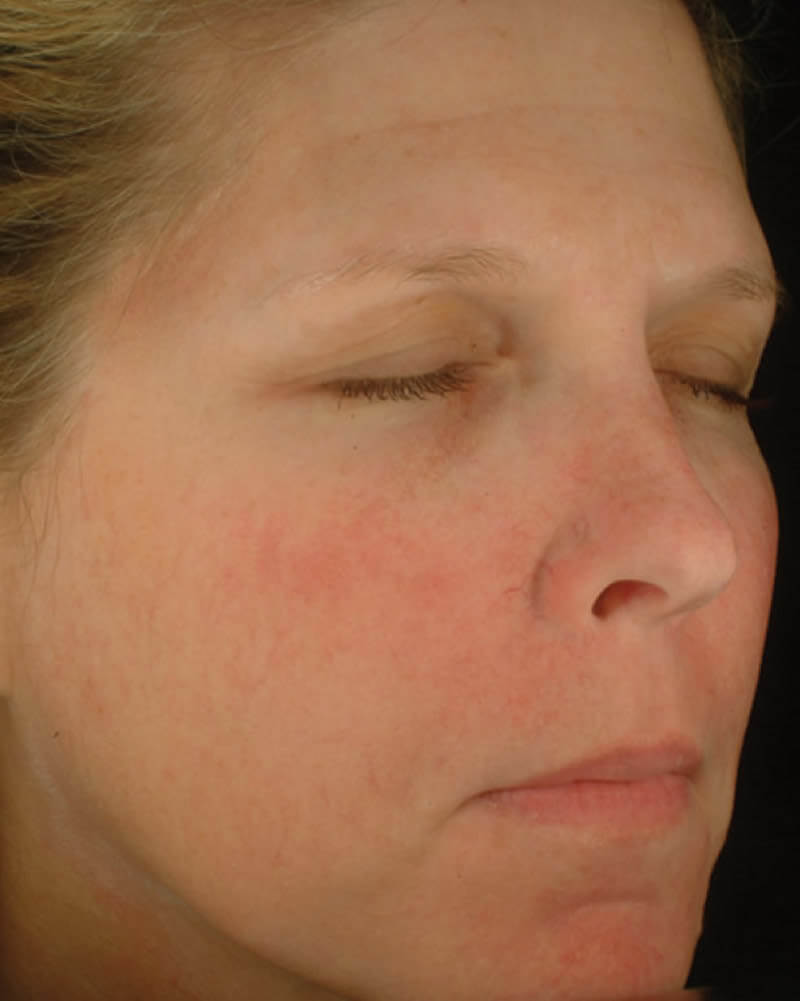
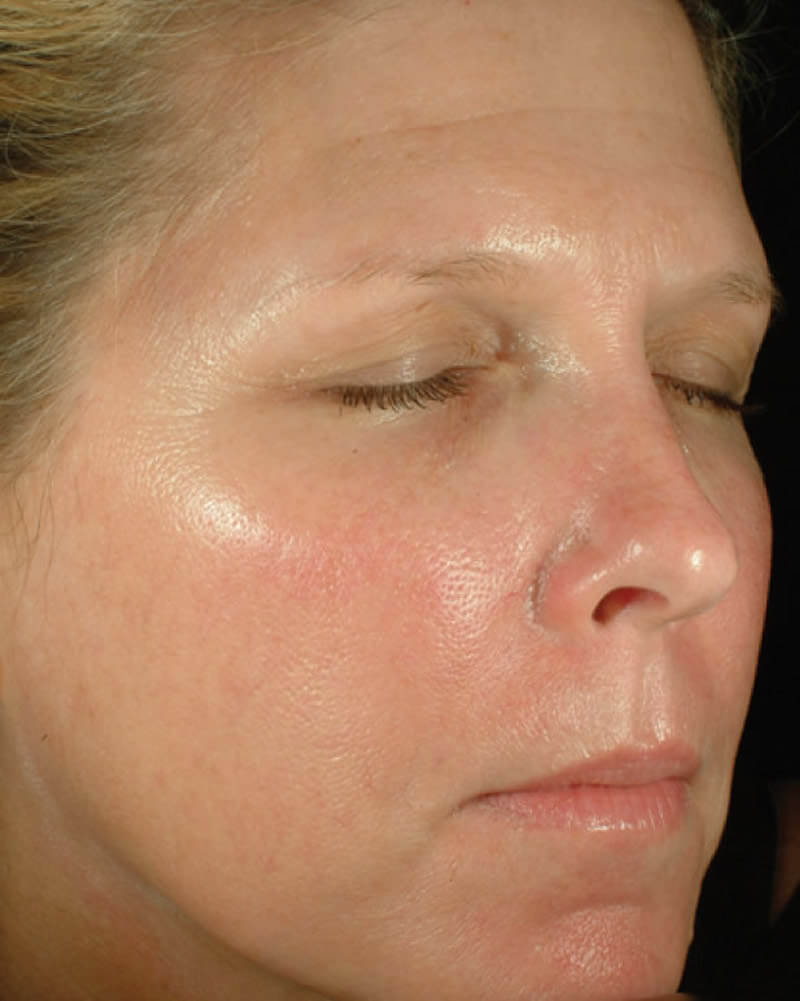
Before Chemical skin peel - before and after After