
What is skin Pigmentation?
Skin pigmentation refers to the colour of the skin, which is determined by the presence and distribution of a pigment called melanin. Melanin is produced by melanocytes, specialized cells located in the epidermis (the outermost layer of the skin). There are primarily two types of melanin responsible for skin colour: eumelanin, which is brown or black, and pheomelanin, which is red or yellow.
The amount and type of melanin in the skin are influenced by genetic factors, sun exposure, and other environmental factors. People with darker skin tones generally have more melanin, while those with lighter skin tones have less.
Skin pigmentation can vary significantly among individuals and ethnic groups. Changes in skin pigmentation can occur due to various factors, including:
Sun Exposure: Ultraviolet (UV) radiation from the sun stimulates the production of melanin as a protective mechanism. Prolonged sun exposure can lead to tanning.
Hormones: Hormonal changes, such as those during pregnancy (melasma or “pregnancy mask”) or the use of oral contraceptives, can affect skin pigmentation.
Age: As people age, changes in skin pigmentation can occur. This includes the development of age spots or liver spots, which are darkened areas of the skin.
Inflammation: Skin conditions, such as acne or other inflammatory disorders, can lead to changes in pigmentation, causing dark spots or hyperpigmentation.
Genetics: Genetic factors play a significant role in determining an individual’s baseline skin color and susceptibility to certain pigmentation conditions.
Medical Conditions: Certain medical conditions, such as vitiligo (loss of pigmentation) or hyperpigmentation disorders, can affect skin colour.
Injuries: Scarring from injuries or wounds may lead to changes in pigmentation.
It’s important to note that changes in skin pigmentation can be a normal part of life or may indicate underlying health concerns. If individuals are concerned about changes in their skin pigmentation, it is advisable to consult with suitably qualified healthcare professional or dermatologist for a proper diagnosis and guidance on potential treatments or preventive measures.
How is skin Pigmentation treated?
The treatment of skin pigmentation issues depends on the specific condition and its underlying causes.
Sun Protection
For conditions like sunspots, melasma, or general hyperpigmentation, sun protection is crucial. The use of broad-spectrum sunscreen with a high SPF can help prevent further darkening of the skin. We recommend ‘Shield & Tidy’ SPF 50 available on our online shop.
Topical Treatments
Bleaching agents. Topical creams containing ingredients like hydroquinone, kojic acid, or azelaic acid may be prescribed to lighten dark spots.
Retinoids. Products containing retinoids, such as tretinoin, can help promote skin renewal and improve pigmentation issues.
Topical Corticosteroids. In some cases, corticosteroid creams may be recommended to reduce inflammation and pigmentation.
Chemical Peels
Chemical peels involve the application of a chemical solution to the skin, which exfoliates the outer layer. This can be effective for treating certain types of hyperpigmentation.
Laser Therapy
Laser treatments, including intense pulsed light (IPL) and laser resurfacing, can target and break down pigmented cells. These treatments are often used for conditions like age spots and sun damage.
Skin micro needling
Microneedling uses a device with tiny needles to create controlled micro-injuries in the skin, stimulating collagen production and improving pigmentation. Active ingredients / products can be needled into the skin with the microneedling pen.
Cosmetic Camouflage:
Makeup or cosmetic camouflage products can help conceal pigmented areas and even out skin tone.
It’s important to note that the effectiveness of treatments can vary, and some conditions may require a combination of approaches. Additionally, it’s crucial to consult with a dermatologist or healthcare professional to determine the most appropriate treatment for a specific skin pigmentation concern. Self-diagnosis and the use of over-the-counter products without professional guidance may not be effective and could potentially worsen the condition.
what type of treatments do we perform mostly in clinic?
Many people are affected by pigmentation from sun damage, ageing and genetic predisposition. Laser and Intense Pulsed Light are simple and accessible methods of removal for them.
Alongside laser and IPL we may recommend cosmeceutical skincare with active ingredients and sunscreen or prescription only skincare. Our own cosmeceutical brand of skincare ‘Tidy’ is available on our online shop.
What areas can be treated?
- Sun damage
- Freckles
- Hyperpigmentation
- Melasma
- Post-inflammatory hyperpigmentation
- Birthmarks
What happens during my consultation?
We will take a full medical and psychosocial history and physically examine the area of pigmentation. We may use a dermatoscope to look at the pigmentation in more detail. If laser or IPL treatment is appropriate a test patch will be performed.
What happens during my treatment appointment?

Preparation
Skin will be cleansed and eye protection will be provided along with verbal advice. In some cases, local anaesthetic may be used before treatment to reduce discomfort.

Treatment
When using laser or IPL usually only a brief sensation of heat is felt during each shot along with an audible ‘crack’. Following treatment, the area will be cooled.
How long do the results of laser/IPL pigmentation removal last?
This varies by cause of the pigment, skin type, lifestyle and the areas to be treated. During a consultation and assessment, more specific, individual based advice will be given.
What’s the aftercare advice?
Written and verbal post treatment advice will be provided.
Simple cooling as mentioned followed by sun protection cream and advice to avoid extremes of temperature and sun exposure. Often a thin crust will form, this should be left to heal without removal or picking.
Who is not suitable for this treatment?
Darker skin tones are unlikely to be suitable for laser and IPL as risk of burns and pigmentation issues are higher. For these patients often topical skincare and prescriptions or chemical peels may be a more appropriate option.
There are some medications and certain diseases that contraindicate this treatment and would be identified during a consultation.
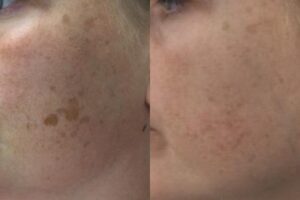
Before and After First Session of Laser Pigmentation Removal